Planning a Downtown Chicago Wedding: Your Complete DJ and Music Guide
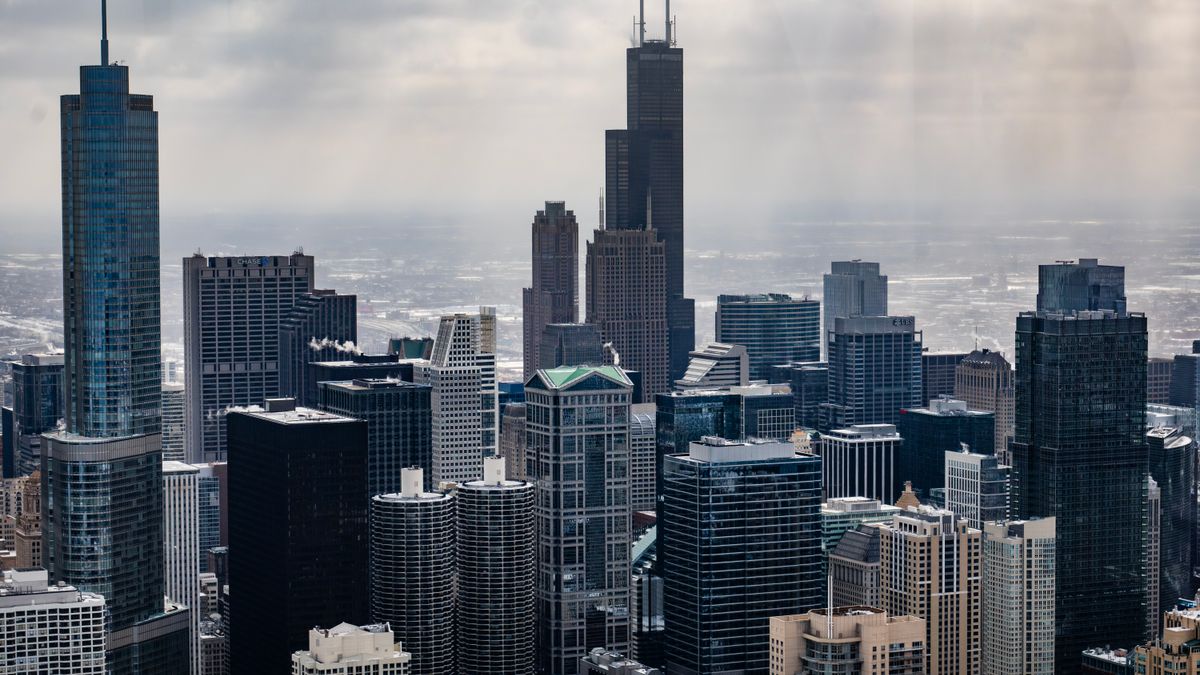
Downtown Chicago weddings come with a specific set of logistics that are completely different from anything you'll deal with in the suburbs, and most out-of-town couples, and even many Chicago-area couples who haven't planned a major event before, get surprised by them.
Parking is one thing. But for a DJ, the real complexity starts much earlier. Load-in windows. Freight elevator reservations. Union labor requirements at certain hotels. Noise ordinances for outdoor spaces. Equipment that fits into a service elevator. These details separate downtown wedding DJs who do this regularly from those who are figuring it out on your wedding day.
This guide covers what you need to know to plan music and entertainment for a downtown Chicago wedding, neighborhood by neighborhood.
The Downtown Chicago Wedding Landscape
"Downtown" in Chicago means different things depending on who you're asking. For weddings, the relevant areas are:
The Loop: Chicago's original downtown, home to landmark cultural institutions (Art Institute, Symphony Center), historic architecture, and business hotel ballrooms. Great for daytime and early evening events; can feel quiet after business hours.
River North: The most active wedding neighborhood in the city. Packed with galleries, lofts, and event spaces that have converted to the wedding market. Nightlife energy without the sterility of the Loop.
West Loop / Fulton Market: The fastest-growing luxury event district. Restaurant-adjacent event spaces, industrial-to-luxury conversions, and a creative energy that attracts couples who want something distinctly modern.
Streeterville / Magnificent Mile: Hotel and luxury venue territory. High-end ballrooms, lake views, and the infrastructure of world-class hospitality. Premium pricing; not known for vendor flexibility.
The South Loop / Museum Campus: Venues near the lakefront and museum campus. Access to Northerly Island and Museum of Science and Industry wedding venues.
Lincoln Park / Lakeview: Slightly removed from downtown proper, these neighborhoods offer intimate venues with neighborhood character and somewhat lower pricing than the Loop core.
What Makes Downtown DJ Logistics Different
Load-In
Every downtown Chicago venue has a specific load-in protocol. Hotel ballrooms may require advance elevator reservations and have limited time windows (often 8 AM-noon on event days when ballrooms have back-to-back events). Converted loft venues may have loading dock access but also may require you to haul equipment up multiple flights if the freight elevator is unavailable.
Your DJ needs to know this before your wedding day, not discover it on arrival. When you're vetting DJs, ask: "Have you worked [specific venue]? What's the load-in situation like?" If they can answer specifically, they've done it. If they say "we'll figure it out when we get there", pass.
Parking
For a Friday or Saturday downtown wedding, plan for $40-$70 in parking for your DJ. This should be reflected in their quote or treated as a reimbursable. DJs who quote without considering downtown parking costs either don't work downtown much or will surprise you with it later.
Union Labor
Several Chicago hotel venues require union labor for AV setups. This doesn't typically mean you need a union DJ, it usually means anything mounted to the ceiling or requiring house AV systems must involve union labor. Your venue coordinator should explain this clearly; if they don't, ask. A DJ at a union hotel will know to inquire about what's in-house vs. what they can bring independently.
Noise and Time Restrictions
Outdoor spaces and rooftop venues frequently have curfews, Chicago's general noise ordinance kicks in at 11 PM in most residential-adjacent areas. Rooftop venues in particular often have 10 PM hard cutoffs. If your reception runs late, this limits your venue options or your DJ's ability to maintain volume late in the evening. Confirm your venue's specific curfew with your coordinator before booking entertainment.
Neighborhood-by-Neighborhood Guide
River North
Character: Gallery district turned event and hospitality hub. Exposed brick, wood floors, high ceilings, creative energy. Standout venues: The Ivy Room, Venue SIX10, RPM Events DJ considerations: Most River North loft venues are outside-vendor friendly. Acoustics in brick loft spaces can be lively; experienced DJs know how to manage it. Access from Ontario and Erie Streets is usually straightforward. Price range: Mid to premium DJ market
West Loop / Fulton Market
Character: Chicago's fastest-growing restaurant and event district. Converted meatpacking and warehouse facilities. Sleek, modern, Instagram-ready. Standout venues: Galleria Marchetti, Morgan Manufacturing, Artifact Events (nearby Ravenswood) DJ considerations: The West Loop is evolving fast, some venues are very polished, others are still working out event logistics. Load-in access varies widely by building. Confirm freight access with your coordinator. Price range: Mid to premium
The Loop
Character: Chicago's architectural heart. Historic skyscrapers, cultural institutions, landmark hotels. Standout venues: The Rookery, Chicago Athletic Association Hotel, various hotel ballrooms DJ considerations: Hotel ballrooms often have preferred vendor relationships or required union protocols. Parking and load-in during business hours compete with office traffic. The Rookery specifically has logistical requirements worth understanding before booking. Price range: Premium (venue choices drive higher DJ tier expectations)
Streeterville / Magnificent Mile
Character: Luxury hotel corridor. Michigan Avenue and Lake Shore Drive views. Standout venues: Domain Chicago, Radisson Blu Aqua Hotel, various hotel ballrooms DJ considerations: Premium hotels typically have preferred vendor lists or in-house entertainment packages. Confirm outside DJ policy before falling in love with a venue here. Price range: Premium to elite
Lincoln Park
Character: Neighborhood-feel venue options near the lakefront and Lincoln Park Zoo. Standout venues: Chicago History Museum, North Pond, Greenhouse Loft DJ considerations: The Chicago History Museum requires prior DJ coordination about load-in protocol (the Grand Gallery has specific equipment placement requirements). North Pond is an outdoor lakeside venue with open-air sound considerations. Price range: Mid to premium
What to Look for in a Downtown Chicago DJ
Beyond standard DJ vetting, here are the downtown-specific questions worth asking:
1. How many downtown Chicago weddings have you done this year? You want someone who runs this circuit regularly. 5+ downtown weddings per season is a reasonable threshold for someone who knows the territory.
2. What venues in River North / West Loop / [your neighborhood] have you worked? Specific venue experience matters. Load-in at The Ivy Room is different from load-in at a hotel ballroom. They should be able to name specific venues and describe what they know.
3. What's your setup time, and how does that work with downtown access windows? A DJ who usually arrives 2 hours early for setup may need to adjust for a downtown venue that only allows access 1.5 hours before the ceremony. This should be a conversation, not a surprise.
4. Do you have your own liability insurance certificate? Every downtown venue requires this. A DJ without it is a liability (literally).
5. What's your equipment footprint? Smaller setups are easier to get into tight downtown spaces. Some loft venues have limited floor space; a DJ who shows up with a nightclub-scale rig may create layout problems.
Music Considerations for Chicago Receptions
Chicago is a city with a distinct music identity that you can lean into or ignore, but ignoring it means leaving some easy crowd energy on the table.
Chicago house music has a genuine legacy here (the genre was born in Chicago in the early 1980s, at The Warehouse on South Jefferson). Dropping a house music set late in the reception almost always works with a Chicago crowd that knows what they're listening to.
Blues and R&B: Chicago's South Side club tradition runs deep. Stevie Wonder, Earth Wind & Fire (a Chicago band), and classic soul work particularly well for the pre-ceremony and cocktail hour.
Cubs and Bears energy: Know your crowd. Chicago sports identity can activate the room in ways that a generic pop playlist won't. A DJ who reads the room and drops the right moment of Chicago-specific crowd connection is doing something that a playlist can't.
Timing a Downtown Chicago Wedding
A few logistical timing notes specific to the city:
- Ceremony at 5 or 6 PM, reception through midnight: The classic downtown Saturday format. Works well at most city venues. Confirm curfew.
- Ceremony at 2 PM, reception through 10 PM: Popular for Sunday weddings. Lower DJ cost, better parking, guests with Sunday evening obligations appreciate the early end.
- Friday evening weddings: Friday 4 PM-11 PM is increasingly popular as couples discover it typically books for less than Saturday equivalent. Chicago's hospitality workers tend to be in better spirits on Friday than a packed Saturday.
Finding a DJ for Your Downtown Chicago Wedding
Browse Chicago wedding DJs on WeddingDJFinder.com and filter for your neighborhood or specific venue. Look for DJs who list downtown venues in their experience, have reviews from city weddings, and can speak specifically to the logistics of your venue when you contact them.
The right downtown Chicago DJ isn't just good at programming music, they're good at navigating the city. Both skills matter.
Wedding DJ planning notes
Get practical tips for music, timelines, and questions to ask before you book. If your address is new to us, we will send a confirmation email first.
Read the 2026 Wedding DJ Industry Report for current pricing benchmarks, demand trends, and booking insights.