Latin Wedding Music: Cumbia, Salsa, Reggaeton & More
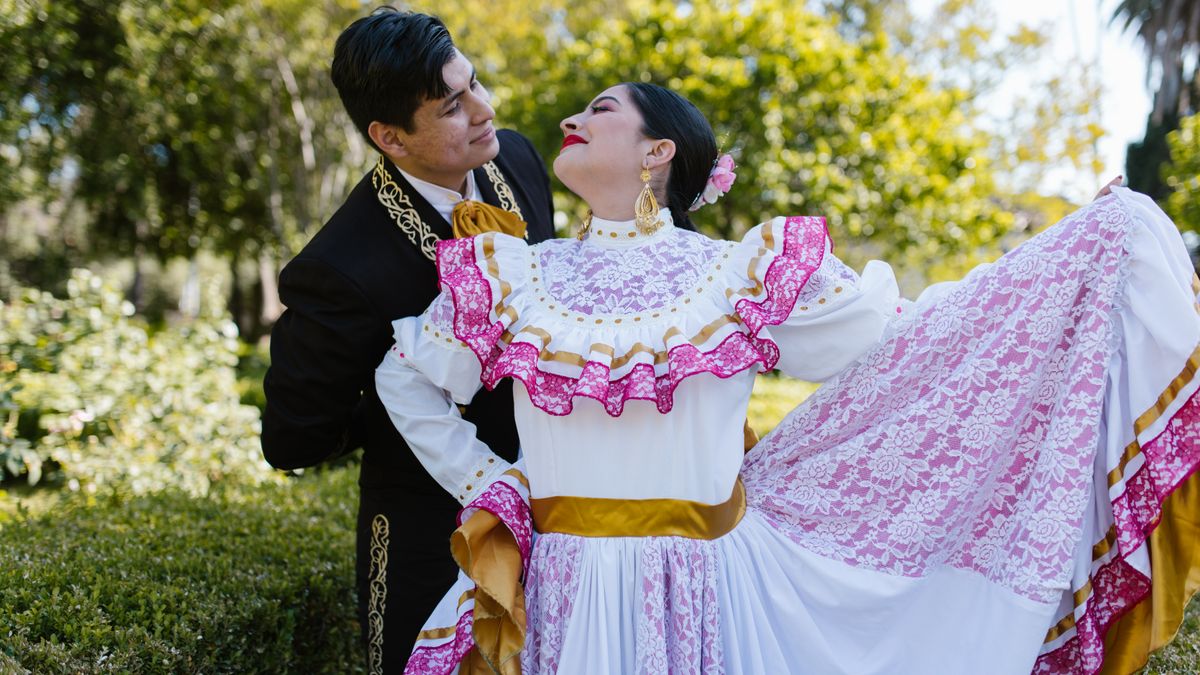
Your wedding day deserves music that moves people, not just swaying politely in their seats, but actually moving: hips, feet, hands in the air. Latin wedding music has a singular ability to do exactly that, cutting across generations and backgrounds to turn a reception into a genuine celebration. Whether your family roots trace back to Mexico City, San Juan, Bogotá, or Havana, the soundtrack of your wedding carries enormous cultural weight. Getting it right means understanding not just which songs to play, but when to play them, in what order, and who should be behind the decks making it all happen.
This guide walks you through everything you need to know about planning the music for a Latin wedding, from the cocktail hour vibe to the moment the dance floor absolutely erupts. We'll cover regional preferences, how to find a DJ who truly lives and breathes Latin music, and how to blend cultures seamlessly when your guest list speaks more than one language.
The Rich Diversity of Latin Wedding Music
One of the most common mistakes couples make is treating "Latin music" as a single category. It isn't. It's an entire universe of rhythms, instruments, tempos, and emotions, each with its own history, regional identity, and place in a wedding timeline.
- Cumbia: The great unifier. Originating in Colombia but beloved across Latin America, cumbia has a rolling, irresistible groove that works for dancers of every skill level. It's the genre that gets grandmothers and teenagers on the floor at the same time.
- Salsa: Fast, complex, and electric. Salsa is the heartbeat of Caribbean wedding receptions, especially in Cuban, Puerto Rican, and Colombian communities. It rewards skilled dancers but also invites everyone to try.
- Merengue: Dominates Dominican celebrations and has spread throughout the Latin world. The two-step rhythm is approachable and fast-paced, perfect for whipping a crowd into a frenzy.
- Reggaeton: The modern powerhouse. Defined by its dembow beat, reggaeton is the genre of the younger generations and has become virtually unavoidable at contemporary Latin weddings. Use it strategically. It rewards the right moment.
- Bachata: Intimate, romantic, and deeply emotional. Bachata is ideal for the cocktail hour and slower interludes during the reception. Its guitar-driven melancholy and sensual rhythm make it a natural fit for love-themed occasions.
- Mariachi: The living symbol of Mexican tradition. A mariachi band at a wedding is a statement of heritage, pride, and joy. It's theatrical, deeply sentimental, and unlike anything else in the world.
- Banda: From the Sierra Madre of Sinaloa, banda's powerful brass instrumentation and driving rhythms are central to Mexican celebrations in the West and Southwest. The quebradita and duranguense dances that accompany banda are beloved traditions.
Understanding which of these genres resonates most deeply with your families, and which will keep your broader guest list engaged, is the foundation of a great Latin wedding playlist.
Credit: Marko Zirdum via Pexels
Honoring Cultural Traditions While Keeping All Guests Engaged
Latin weddings are often multigenerational, multilingual events where a 75-year-old abuela and a 22-year-old cousin from college are both on the guest list. Your music needs to honor the elders without losing the youth, and welcome non-Latin guests without making them feel like observers at someone else's party.
Pro Tip: Think of your reception as having three distinct energy phases: arrival and warmth, dinner and emotion, and dancing and celebration. Match your Latin genres to each phase rather than trying to play everything at once.
The key is intentional sequencing. Start with familiar, gentle sounds that welcome guests and set the tone. Transition into the emotional core of the reception during dinner. Then unleash the dance floor music gradually, letting energy build rather than overwhelming the room in the first fifteen minutes.
For non-Latin guests, the secret is rhythm and familiarity. Reggaeton crossover hits, internationally recognized salsa classics, and anything featuring artists they may recognize (think Shakira, Marc Anthony, Bad Bunny) act as bridges. Meanwhile, your core Latin guests will appreciate when the DJ drops a deep cumbia cut or an old-school merengue that feels like a secret nod to shared culture.
Top 10 Latin First Dance Songs
The first dance sets the emotional tone for your entire reception. These songs have proven themselves at weddings across every Latin culture (romantic, beautiful, and deeply meaningful):
- "Bésame Mucho" - Consuelo Velázquez: A timeless bolero standard. Graceful, cinematic, and universally recognized.
- "Contigo Aprendí" - Armando Manzanero: One of the most beloved romantic ballads in Latin music history. Perfect for a slow, intimate first dance.
- "Quiéreme Mucho" - Various Artists: Elegant and nostalgic, this classic suits couples who want a nod to golden-age Latin romance.
- "La Bikina" - Rubén Fuentes: Stately and beautiful, with a dignified rhythm that photographs stunningly.
- "Bachata en Fukuoka" - Juan Luis Guerra: For couples who want something more contemporary and deeply romantic.
- "Te Propongo" - Gilberto Santa Rosa: A salsa ballad that lets you choose between a slow sway or a more animated first dance.
- "Por Primera Vez" - Camilo & Evaluna Montaner: A modern hit that resonates deeply with younger couples. Joyful, sweet, and modern.
- "Cómo Fue" - Benny Moré: The Cuban bolero standard for couples with roots in the island's musical tradition.
- "Mil Años" - Carlos Rivera: A contemporary tearjerker with sweeping production that works beautifully as a ceremony or first dance song.
- "Sin Ti" - Romeo Santos: For couples who want their bachata roots front and center in their most important moment together.
Bilingual Weddings: Seamlessly Mixing English and Spanish Music
More and more Latin weddings include significant numbers of English-speaking guests, or feature couples from blended cultural backgrounds. The challenge is to honor both worlds without making either feel like an afterthought.
The most successful approach is genre mixing rather than language alternating. Instead of playing three Spanish songs then three English songs, think about energy and mood. A slow Beyoncé ballad flows naturally into a romantic bolero. A Bruno Mars funk groove transitions smoothly into a salsa set. The connection is rhythm and feeling, not language.
Bilingual weddings also benefit enormously from a DJ who can speak to the crowd in both languages: making announcements, reading the room, and creating moments that include everyone. This is a skill, not just a logistical checkbox. Ask your DJ candidates specifically how they handle bilingual receptions. Their answer will tell you a lot.

Credit: aleinad _0222 via Pexels
When to Play What: A Latin Wedding Timeline
Cocktail Hour: Set the Mood with Bachata and Boleros
The cocktail hour is about elegance and warmth. Guests are arriving, greeting family, and finding their footing in the celebration. Bachata and classic boleros are perfect here, romantic without being intrusive, sophisticated without being cold. Think Romeo Santos, Juan Luis Guerra, and classic trios like Los Panchos. The tempo stays low, conversations can happen, and the overall vibe communicates: this is going to be a beautiful night.
Dinner: Emotion and Heritage with Boleros and Slow Salsa
Dinner is the emotional heart of the reception. This is when toasts happen, when tears flow, when grandparents look at each other across the table. Lean into the heritage music here. Slow salsa, classic rancheras played softly, romantic ballads from artists like Luis Miguel or Marc Anthony create the perfect backdrop. If you have a mariachi scheduled for a special song or performance, dinner is often the ideal placement, a moment of cultural ceremony before the dance floor opens.
Early Dancing: Warm Up with Cumbia and Merengue
When the dance floor opens, don't go straight to the heavy artillery. Cumbia and merengue are natural warm-up genres, accessible rhythms that invite everyone in, regardless of dance training. They get bodies moving without the intensity of full salsa or the youth-coded energy of reggaeton. This is where you build the momentum.
Peak Hours: Unleash Salsa, Reggaeton, and Banda
Once the floor is full and the energy is high, it's time for the headliners. Salsa sets, reggaeton runs, banda if it fits your regional tradition. This is where your DJ earns their fee. The sequencing matters enormously here, and a skilled Latin DJ knows how to ride the energy peaks and valleys, dropping a slower merengue when people need a breath before bringing the heat back up.
Finding a DJ Who Truly Knows Latin Music
This is arguably the most important decision you'll make for your reception. There is a significant difference between a DJ who has a "Latin playlist" and a DJ who genuinely understands the culture, the history, and the nuance of Latin music.
Ask any DJ you're considering: "Can you tell me the difference between Colombian cumbia and Mexican cumbia?" or "What's your approach to a late-night salsa set?" Their comfort and specificity in answering will immediately reveal whether you're talking to a specialist or a generalist.
When interviewing DJs, look for these indicators of genuine expertise:
- They ask you about your specific regional heritage and family background, not just "what genres do you like"
- They can name artists across decades, not just current chart hits
- They have experience specifically with Latin weddings, not just Latin club nights
- They discuss the flow of the evening, not just the songs
- They understand the cultural significance of certain moments (the hora loca, the bouquet toss to cumbia, the late-night merengue surge)
Find a wedding DJ near you who specializes in Latin music and has reviews from Latin wedding couples specifically, that peer feedback is invaluable.
If you are vetting DJs across more than one tradition, our guide to finding a genre wedding DJ walks through the same fluency test for Latin, South Asian, country, and other genre weddings.
Regional Preferences Across the United States
Miami: Caribbean Soul and Cuban Rhythm
Miami's Latin wedding scene is heavily influenced by Cuban and broader Caribbean traditions. Salsa is king, but timba, cha-cha-chá, and boleros rooted in the Cuban songbook carry deep meaning. Celia Cruz, Willy Chirino, and the classic sounds of the Fania era are beloved here. Miami DJs who specialize in Latin weddings typically have deep Caribbean roots in their libraries.
Texas: Tejano Tradition and Mexican Heritage
Texas has its own distinct Latin music identity. Tejano (the accordion-driven, polka-influenced genre made internationally famous by Selena) is woven into the fabric of South Texas weddings. Banda and norteño are also central, and a San Antonio or Houston wedding may feature music that simply doesn't appear on a standard "Latin playlist." San Antonio and Houston DJs who truly know their market understand this distinction deeply.
New York City: Dominican and Puerto Rican Powerhouses
New York's Latin wedding scene is shaped by Dominican and Puerto Rican communities who helped define salsa, merengue, and bachata in the United States. The Bronx, Washington Heights, and Brooklyn have produced generations of Latin music lovers with high standards and deep knowledge. A New York City Latin wedding DJ needs to know their Héctor Lavoe from their Johnny Ventura, and they need to know when to play each.
Los Angeles: Mexican and Central American Traditions
LA's massive Mexican and Central American communities make banda, norteño, cumbia, and ranchera the dominant forces at weddings throughout the region. But LA also has significant Salvadoran, Guatemalan, and Colombian communities who bring their own musical traditions. Los Angeles Latin wedding DJs who know the full spectrum of these traditions are worth their weight in gold.
Equipment Considerations: Good Bass Is Non-Negotiable
Latin music is physical music. The bass frequencies in cumbia, reggaeton, and banda are not just sonic elements. They're the pulse that drives the dancing. Inadequate sound equipment will kill a Latin dance floor faster than a bad song selection.
When reviewing DJ packages, specifically ask about subwoofer capacity and speaker placement strategy. A large reception hall needs enough low-end coverage to ensure the bass reaches the far corners of the dance floor. Ask whether they've worked in your specific venue before, or whether they'll do a site visit. Outdoor receptions present particular challenges: bass dissipates quickly in open air, and this requires specific equipment adjustments.
Also consider the physical layout: in Latin weddings where dancing is expected to happen in specific areas (near the band stage, in front of the DJ booth, or across a wide floor), speaker placement becomes a strategic decision, not just a logistical one.
Mariachi + DJ Combos: Making It Work Beautifully
One of the most spectacular combinations in Latin weddings is pairing a mariachi ensemble with a contemporary DJ setup. Done well, it creates moments of theatrical heritage that guests will talk about for years. Done poorly, it creates awkward transitions and confused energy.
The keys to making a mariachi-DJ combination work:
- Give the mariachi defined moments, not open-ended sets. A 20-30 minute performance during cocktail hour or at the start of dinner is ideal. The mariachi arrives, performs, takes a bow, and exits. The DJ then carries the reception.
- Coordinate volume and sound levels in advance. Mariachi is acoustic, or close to it. The transition from live brass and guitarrón to amplified DJ music needs to be managed carefully. Your DJ and mariachi should communicate before the event.
- Use the mariachi for the most emotionally significant moments. The grand entrance, a special serenade to the parents, a closing song before the dance floor opens. These are peak emotional moments that a mariachi can amplify beautifully.
- Plan the musical narrative. The mariachi should feel like the first chapter of the story, with the DJ-led reception being the exhilarating second chapter. The contrast is part of what makes it work.
Venue note: Always confirm with your venue that live musicians are permitted and check noise ordinances if you're near residential areas. Mariachi is joyful and loud, which is exactly the point, but it requires advance coordination.
Bringing It All Together
Latin wedding music is one of the most joyful, complex, and culturally meaningful elements of your celebration. It deserves the same thoughtfulness you'd bring to your venue, your dress, or your vows. When the music is right (when your tía is dancing cumbia next to your college roommate, when your grandfather hears that old bolero and reaches for your grandmother's hand, when the whole room erupts at the first beat of a beloved reggaeton hit), that's when all the planning pays off.
Whether you're planning a Puerto Rican celebration in New York, a Mexican wedding in Los Angeles, a Cuban-American event in Miami, or a beautiful blend of cultures anywhere in between, the right DJ makes all the difference. Not a DJ with a Latin playlist, a DJ who feels Latin music in their bones and knows exactly how to read your crowd and your culture.
Ready to find a DJ who truly understands Latin wedding music? Browse verified Latin wedding DJs on WeddingDJFinder.com and filter by genre expertise, region, and wedding experience. Your perfect soundtrack is out there, and so is the DJ who knows exactly how to deliver it.
Wedding DJ planning notes
Get practical tips for music, timelines, and questions to ask before you book. If your address is new to us, we will send a confirmation email first.
Read the 2026 Wedding DJ Industry Report for current pricing benchmarks, demand trends, and booking insights.