25 Questions to Ask Your Wedding DJ Before Booking
Hiring a wedding DJ is one of the most important decisions you'll make for your big day. A great DJ doesn't just play music — they set the emotional tone of your entire celebration, keep guests engaged from the first dance to the last song, and often serve as the unofficial emcee who ties the whole event together. A bad DJ, on the other hand, can derail even the most beautifully planned wedding with awkward silences, wrong song choices, or equipment failures at the worst possible moment.
The challenge? On the surface, most wedding DJs look pretty similar. They all have websites with glowing testimonials, polished packages, and highlight reels. The real differences only emerge when you start asking the right questions — before you sign anything.
This guide gives you 25 essential questions to ask every wedding DJ you're considering, organized by category, along with clear guidance on what a great answer looks like and what should send you running in the other direction.
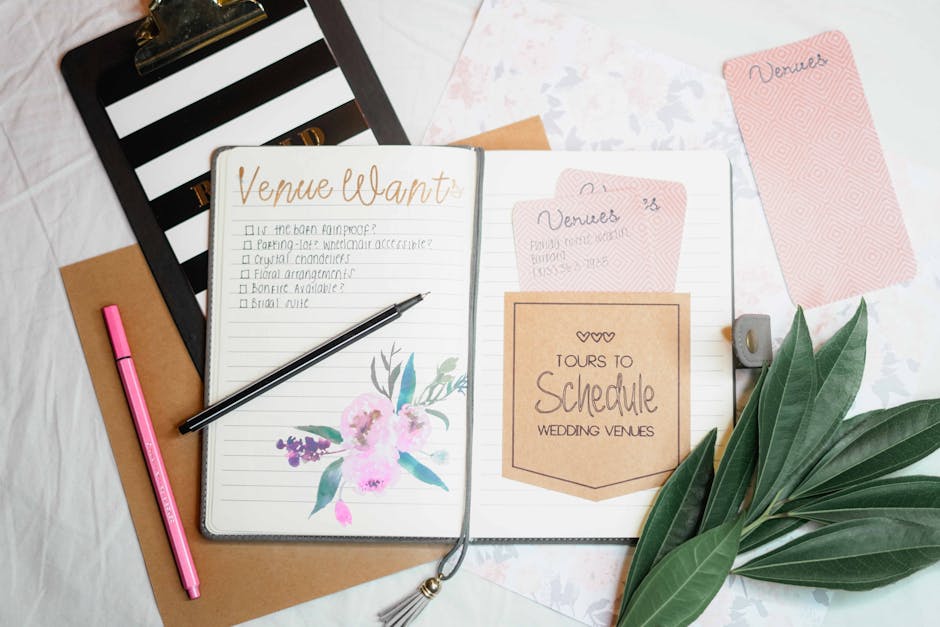
Credit: Natasha Fernandez via Pexels
Category 1: Experience & Background
Before you get into playlists and song requests, you need to understand who you're actually hiring. Experience isn't everything — but context matters enormously when it comes to weddings.
1. How many weddings have you DJed?
Why it matters: Weddings are a completely different beast from club nights, corporate events, or birthday parties. They have complex timelines, emotionally charged moments, diverse guest demographics (grandma and the college crew need to coexist on that dance floor), and a very specific flow that experienced DJs learn to navigate over time.
- Good answer: "I've DJed over 150 weddings in the past five years." Bonus points if they can speak specifically about different venues, styles, or cultural backgrounds they've worked with.
- Red flag: Vague answers like "I've done tons of events" or a heavy focus on club or bar work with only a handful of weddings. Nightclub experience does not automatically translate to wedding expertise.
2. Do you specialize in weddings, or are they just one type of event you do?
Why it matters: A DJ who focuses primarily on weddings will have refined systems, vendor relationships, and instincts that a generalist simply won't. Specialization usually means better preparation and a smoother experience for you.
- Good answer: "Weddings make up about 80% of my bookings. I've specifically built my business around the wedding market." They may also mention continuing education, wedding industry memberships, or training.
- Red flag: "I do everything — weddings, clubs, bar mitzvahs, corporate." Not necessarily disqualifying, but probe deeper. Ask how many weddings specifically they've done in the past year.
3. Can you provide references from recent couples?
Why it matters: Online reviews are helpful but curated. Speaking directly with a past couple gives you unfiltered insight into what it's actually like to work with this DJ on your wedding day.
- Good answer: They enthusiastically provide two or three references without hesitation, ideally from weddings in the past 12 months.
- Red flag: Hesitation, excuses ("my couples prefer privacy"), or only offering testimonials on their own website. Most happy clients are glad to talk to prospective couples.
4. Will you personally be the DJ at my wedding, or could it be someone else?
Why it matters: Some DJ companies operate with a roster of performers. You might meet the charming owner during your consultation and end up with an unfamiliar associate on your actual wedding day. This is more common than couples realize.
- Good answer: "I will personally be there. I don't double-book." If they do operate a multi-DJ company, they should be transparent about that and give you the opportunity to meet and approve the specific DJ assigned to you.
- Red flag: Evasive answers, or an admission that they "might" send someone else depending on schedule, without giving you any say in who that person is.
5. Have you worked at my venue before?
Why it matters: Familiarity with a venue means the DJ already knows the acoustics, the layout, the loading dock situation, the venue coordinator's preferences, and any quirks that could affect the event. It's not a dealbreaker if they haven't, but it does change your conversation.
- Good answer: "Yes, I've done several events there." Or, if not: "I haven't, but I always do a site visit before the event to understand the space, power access, and layout."
- Red flag: No familiarity and zero interest in doing a site visit or reaching out to the venue ahead of time.
Category 2: Music & Style
Your wedding playlist is a deeply personal thing. You want a DJ who respects your vision while also having the expertise to keep things moving. These questions will reveal how collaborative — and how skilled — a DJ really is.
6. How do you read the crowd and adjust your set?
Why it matters: The best DJs are part musician, part psychologist. They can sense when energy is flagging, when a song isn't landing, and when it's time to shift gears — often before the couple even notices.
- Good answer: A thoughtful, specific answer about watching body language, noticing who's on the dance floor, paying attention to age groups and reactions, and having a flexible playlist that allows for real-time adjustment.
- Red flag: "I just play what's on the list." Rigidity is the enemy of a great dance floor. A DJ who can't adapt is a liability.
7. Can I provide a do-not-play list?
Why it matters: Maybe you hate "Shout." Maybe your ex's favorite song is "Don't Stop Believin'." Maybe there's a running family joke about a certain song that would ruin the mood entirely. Your DJ needs to know and respect these limits without question.
- Good answer: "Absolutely. I encourage all couples to give me a do-not-play list. It's just as important as the must-play list."
- Red flag: Any pushback, like "I'll use my judgment" or "I probably won't play those anyway." If they won't commit to honoring a simple list, trust is already broken.
8. How do you handle song requests from guests?
Why it matters: Guests will make requests. How a DJ manages those requests — especially the weird, off-brand ones — can make or break the vibe of the reception. You want someone who can be gracious without derailing your vision.
- Good answer: "I always take requests, but I use my judgment about whether they fit the moment. I'll always check with the couple first if a request seems like it conflicts with what you've asked for."
- Red flag: "I play everything people ask for" (no filter, chaos incoming) or "I don't take requests" (inflexibility that leaves guests feeling ignored).
9. What genres and eras do you specialize in?
Why it matters: A DJ who primarily works in hip-hop may not have the deep catalog for a couple who wants a classic rock-heavy reception. And vice versa. You want someone whose natural musical instincts align with yours.
- Good answer: They speak with genuine enthusiasm about a range of genres and can speak specifically to your preferences. "I love doing mixed-era receptions — I'm just as comfortable with Motown as I am with current Top 40."
- Red flag: Vague claims of "playing everything" without any demonstrated depth or genuine enthusiasm for your specific preferences.
10. Can we meet to go over the music plan before the wedding?
Why it matters: A good DJ doesn't just show up on the day with a hard drive full of songs. They invest time upfront to understand your story, your must-plays, your timeline, and your guests.
- Good answer: "Yes — I typically do an initial consultation and then a planning meeting closer to the date where we finalize the timeline and playlist together."
- Red flag: Resistance to meetings, or a DJ who seems like they'll "figure it out on the day." This signals a lack of professionalism and investment in your specific event.
Expert Tip: Bring a short playlist of 10–15 songs that represent your taste to your DJ consultation. It's worth more than a thousand words of description and immediately tells you whether the DJ "gets" your vibe when they respond to it.
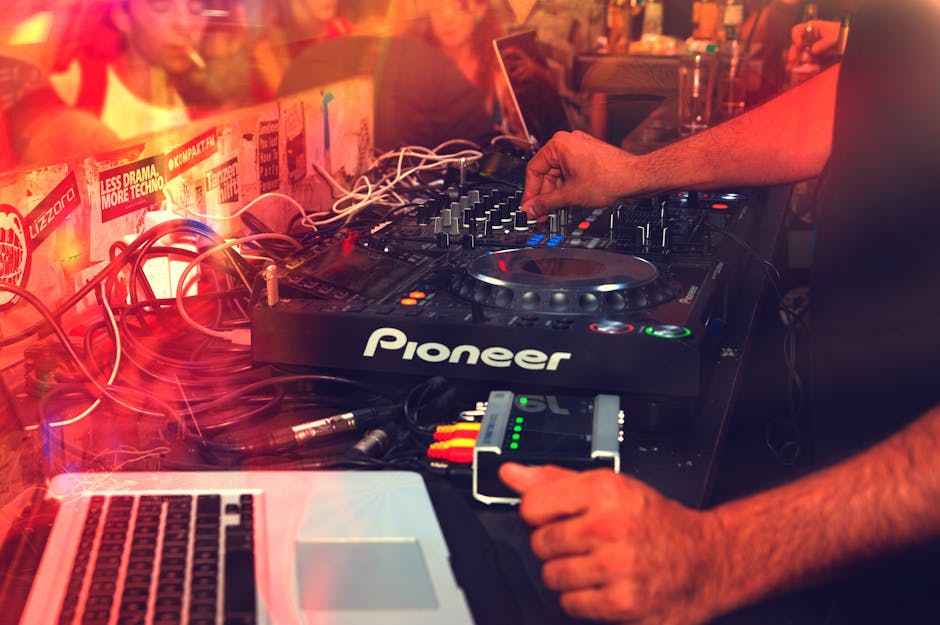
Credit: mali maeder via Pexels
Category 3: Equipment & Setup
Professional-grade equipment and thorough preparation are non-negotiable at a wedding. These questions reveal whether your DJ is truly prepared for every scenario — including the ones nobody wants to think about.
11. What equipment do you use, and do you bring backup gear?
Why it matters: Equipment fails. Laptops crash. Speakers blow. A professional DJ anticipates this and comes prepared. The best DJs carry redundant systems as a matter of standard practice.
- Good answer: They can describe their gear clearly (professional-grade speakers, DJ controller or CDJs, etc.) and specifically mention backup equipment they travel with — at minimum a backup laptop or media player and a spare audio cable kit.
- Red flag: "I've never had a problem" or no mention of backup gear at all. Overconfidence is not a contingency plan.
12. What is your backup plan if you have a personal emergency on the day?
Why it matters: Even the most reliable human being can get in a car accident or fall seriously ill. You need to know there's a plan that doesn't end with your wedding having no music.
- Good answer: "I have a network of trusted colleagues who are aware I may call on them in an emergency. I also have backup contacts listed in my contract." Multi-DJ companies have a clear advantage here.
- Red flag: No answer, or a dismissive "that won't happen." It might not — but the question itself reveals how seriously they take their responsibility to you.
13. How early do you arrive to set up before the event?
Why it matters: A DJ who shows up 20 minutes before cocktail hour starts is a DJ who's going to be stressed, rushed, and likely underprepared. Setup, soundcheck, and timeline review require real time.
- Good answer: "I typically arrive 1.5 to 2 hours before the event starts to set up, do a full soundcheck, and coordinate with the venue and other vendors."
- Red flag: Anything under an hour, or a vague "I'll be there in plenty of time." Pressed for specifics, they should be able to give you a real answer.
14. What do you need from the venue in terms of space, power, and setup?
Why it matters: Surprises on setup day can cause real delays and stress. A professional DJ has a clear technical rider and communicates it to venues proactively. You don't want to be the messenger scrambling between your DJ and your venue coordinator on your wedding morning.
- Good answer: They hand you (or email you) a venue requirements sheet covering power outlet needs, table space, loading access, and setup timing. They'll also offer to communicate directly with the venue.
- Red flag: "I'll figure it out when I get there." Improvisation is not professionalism.
15. Do you use a wireless microphone system for speeches and toasts?
Why it matters: Speeches are some of the most emotionally significant moments of the reception. A quality wireless mic system ensures every word is heard clearly by every guest, no matter where they're sitting.
- Good answer: "Yes, I use a professional UHF wireless system. I also do a quick mic test with the MC or officiant before the event starts."
- Red flag: "We have a handheld wired mic" or a dismissive attitude toward mic quality. Poor audio during the best man's toast is a memory guests — and you — won't forget.
Category 4: Business & Logistics
The professional and contractual side of hiring a DJ is just as important as their musical talent. These questions protect you legally and financially, and reveal how seriously the DJ runs their business.
16. What exactly is included in your package?
Why it matters: DJ packages vary wildly. Some include ceremony music, cocktail hour, uplighting, and photo booths. Others are reception-only with very basic setups. You need a crystal-clear picture of what you're paying for before comparing prices.
- Good answer: A detailed, written breakdown of everything included — hours of service, equipment, number of speakers, microphones, lighting, any add-ons — along with clear pricing for extras.
- Red flag: Verbal-only descriptions with no written confirmation, or vague packages described as "everything you need" without specifics.
17. What does your contract include?
Why it matters: A contract protects both of you. It should clearly spell out the date, venue, hours, services, payment schedule, and what happens in case of dispute or cancellation. Any DJ operating without a formal contract is a serious risk.
- Good answer: They provide a professional contract that covers all the above and are happy for you to review it (or have a lawyer review it) before signing.
- Red flag: No formal contract, a handshake agreement, or pressure to "just trust them." Without a contract, you have no legal recourse if something goes wrong.
18. What is your cancellation and refund policy?
Why it matters: Life is unpredictable. Venues close, circumstances change, and sometimes weddings get postponed or cancelled. You need to understand exactly what you're on the hook for financially in any scenario — before you sign.
- Good answer: A clear, written policy that specifies what portion of the deposit is refundable and under what timeline. Many DJs retain the deposit but won't charge the full balance for cancellations made well in advance. Reasonable and clearly communicated is the standard.
- Red flag: An overly aggressive policy that keeps 100% of everything regardless of timing, or no written policy at all — just a verbal promise.
19. Do you carry liability insurance?
Why it matters: Many venues now require vendors to carry general liability insurance. Beyond compliance, it's a sign of a truly professional operation. If a speaker tips over and injures a guest, or equipment causes property damage, you want to know the DJ is covered.
- Good answer: "Yes, I carry a $1 million general liability policy. I can provide a certificate of insurance to your venue directly."
- Red flag: No insurance, or an attitude that "something like that would never happen." Uninsured vendors can create liability issues that fall back on the couple or the venue.
20. How do you handle overtime if the reception runs long?
Why it matters: Weddings almost always run behind schedule. If the dinner service runs long, speeches go over, or guests simply don't want to leave, you need to know what happens — and what it costs.
- Good answer: A clear, pre-agreed overtime rate (typically charged in 30 or 60-minute increments) that's written into the contract. The DJ should also flag any venue-imposed hard-stop times so you can plan accordingly.
- Red flag: Vague answers, no written rate, or a DJ who implies they'll "just leave" when the contracted hours end regardless of the situation.
Expert Tip: Always ask to see a sample contract before your first formal meeting. A DJ who freely shares their contract before you've even committed is demonstrating transparency — one of the most important qualities in any vendor relationship.
Category 5: The Intangibles
Some of the most important qualities in a wedding DJ can't be quantified on a price sheet. These final questions help you assess personality, professionalism, and fit — the things that determine whether working with this person feels effortless or exhausting.
21. Can I see you perform at a live event before booking?
Why it matters: A highlight reel on a website is carefully curated. Seeing a DJ work a live crowd — watching how they move, how they interact, how they handle transitions and dead air — tells you more than any testimonial ever could.
- Good answer: "I have a few upcoming public events you're welcome to attend." Note that many DJs won't invite you to a private wedding (nor should they, out of respect for that couple), but public events, open mic nights, or showcase events are fair game.
- Red flag: Complete resistance to any live observation opportunity, with no alternatives offered. You wouldn't buy a car without a test drive.
22. How do you handle MC duties during the reception?
Why it matters: Most wedding DJs also serve as the MC — introducing the wedding party, announcing dinner, cueing toasts, and keeping the evening on track. MC skill is a completely separate skill set from DJing, and it's one where the quality gap between professionals and amateurs is massive.
- Good answer: They describe a clear MC approach: confident but not cheesy, structured but not robotic. Ideally, they have examples or even audio/video of their MC style. They should ask about the pronunciation of names well in advance.
- Red flag: DJs who treat the MC role as an afterthought, or who have an overly theatrical, "DJ at a quinceañera" style when your wedding calls for something more elegant and understated.
23. How do you coordinate with the photographer, videographer, and venue coordinator?
Why it matters: Your vendor team needs to function as a unit. Lighting changes for the first dance affect the photographer. Timing of cake cutting affects the caterer. A DJ who communicates proactively with other vendors creates a seamless experience; one who operates in a silo creates chaos.
- Good answer: "I always try to connect with the venue coordinator and lead photographer before the event to make sure we're aligned on the timeline. On the day, I'll check in with your photographer before any key moments."
- Red flag: "I just focus on the music — the other vendors handle their own stuff." No vendor operates in isolation at a wedding. This attitude is a recipe for miscommunication.
24. What's your personality and style like during the reception?
Why it matters: Some couples want a high-energy, crowd-pumping MC. Others want someone elegant and understated who lets the music do the talking. Neither style is wrong — but you need to find a DJ whose natural energy matches the vibe you're going for. If you're planning a refined, intimate dinner party reception in New York City and your DJ is fundamentally a high-energy club DJ, that mismatch will be felt by every guest in the room.
- Good answer: They can describe their style clearly and give examples of different weddings where they've adapted their energy to match the couple's vision. They also ask questions about your desired atmosphere rather than defaulting to a one-size-fits-all approach.
- Red flag: A DJ who can only work in one register, or who clearly hasn't thought about how their personality affects the room. Choosing the right DJ style for your wedding is something worth exploring in depth before you commit.
25. What do you need from us to make this the best possible wedding reception?
Why it matters: This question flips the dynamic. A great DJ will have a real answer — they'll ask about your story, your guests, your non-negotiables, your fears. This question reveals how invested they are in your specific wedding versus treating you as just another booking.
- Good answer: They lean in. They ask about your relationship, your must-play songs, the personality of your guest list, any sensitive family dynamics, and what "success" looks like to you at the end of the night.
- Red flag: A blank stare or a pivot back to their own services. A DJ who doesn't ask questions about you before your wedding is a DJ who's going to play a generic wedding instead of yours.
Conclusion: Do Your Homework and Trust Your Gut
Running through these 25 questions might feel like a lot — but consider that your wedding DJ will be one of the most visible and influential people at your reception. They're the ones holding the mic, setting the mood, and reading the room for four to eight hours. The time you invest in vetting them thoroughly is time that pays dividends all night long.
The best DJ consultations feel less like interviews and more like conversations. When you find the right person, you'll know — they'll ask as many questions as you do, they'll get genuinely excited about your vision, and you'll leave feeling confident rather than uncertain.
Don't settle for "good enough" when it comes to the soundtrack of your wedding day. Find a wedding DJ near you on WeddingDJFinder.com, browse verified profiles, read real reviews, and use these 25 questions to separate the professionals from the pretenders. Your dance floor — and your guests — will thank you.
Wedding DJ planning notes
Get practical tips for music, timelines, and questions to ask before you book. If your address is new to us, we will send a confirmation email first.
Read the 2026 Wedding DJ Industry Report for current pricing benchmarks, demand trends, and booking insights.