Tampa Bay Wedding DJ Guide: Gulf Coast Weddings
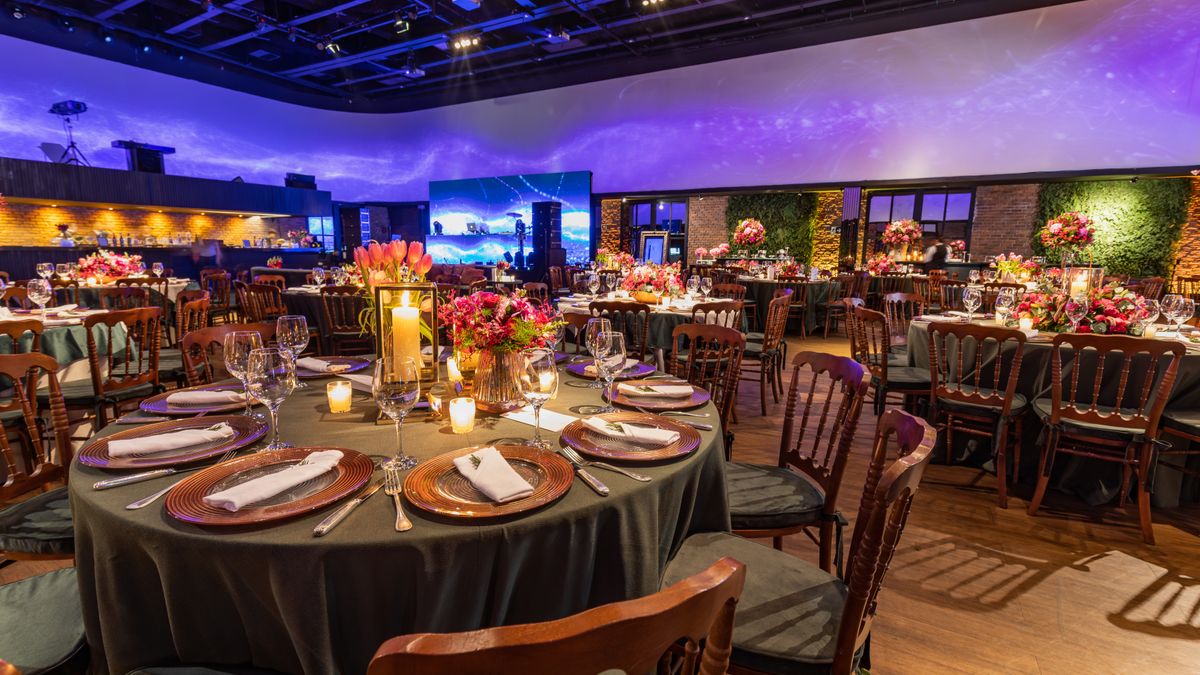
Tampa Bay might be the most underrated wedding destination on the Gulf Coast. It doesn't have Miami's glamour or Key West's quirk, but it has something those places sometimes lack: genuine local culture with real depth. Ybor City's Cuban and Spanish heritage, St. Petersburg's thriving arts scene, the barrier island beaches stretching from Clearwater south to Treasure Island, and the waterfront venues along Tampa Bay itself combine to create a wedding landscape that's more varied than most couples realize.
Add year-round warm weather, a competitive local DJ market, and outdoor venues that are genuinely spectacular at sunset, and Tampa Bay starts to look like an excellent choice for couples who want a Gulf Coast celebration without South Florida prices.
This guide covers the venues, the music culture, the logistics of outdoor Florida weddings, what DJs cost here, and how to find and book the right one.
Understanding the Tampa Bay Wedding Market
Tampa Bay is a sprawling metro area, it encompasses Tampa proper, St. Petersburg, Clearwater, and dozens of smaller cities and barrier island communities. Each part of the market has its own character.
Tampa proper is a mid-sized city with a strong downtown core, a growing arts district, and significant cultural diversity. The University of Tampa and downtown waterfront have developed substantially over the past decade. Weddings in Tampa itself tend to use ballrooms, rooftop venues, and waterfront event spaces along the Hillsborough River and the bay.
Ybor City is Tampa's historic Latin quarter, built by Cuban and Spanish cigar workers in the late 1800s. The architecture, Spanish Baroque buildings, brick streets, wrought iron balconies, is unlike anything else in Florida, and the neighborhood has experienced a genuine cultural revival. Venues here include restored historic buildings with enormous character. The Columbia Restaurant, the oldest restaurant in Florida (opened 1905), hosts private events in its historic dining rooms. Centro Asturiano, a 1914 social hall, is one of the most photographed wedding venues in Tampa Bay.
St. Petersburg has transformed from a retirement community into one of Florida's most vibrant cities for arts, food, and culture. The downtown core along Beach Drive has upscale restaurants, boutique hotels, and event spaces with views of Tampa Bay. The Salvador Dalí Museum, the Museum of Fine Arts, and Sunken Gardens all offer unconventional wedding backdrops. The Vinoy Renaissance Resort, a 1925 historic hotel restored to its original elegance, is one of the most sought-after wedding venues in the entire Tampa Bay area.
Clearwater and Clearwater Beach are anchored by the famous white sand beach and the Clearwater Beach resort strip. Weddings here tend to be beach ceremonies followed by resort receptions, the Sandpearl Resort and Opal Sands are popular choices.
St. Pete Beach is arguably the most photogenic stretch of Gulf Coast real estate in Florida. The Don CeSar Hotel, the pink landmark built in 1928, nicknamed the "Pink Palace", hosts elaborate destination weddings and is among the most recognizable wedding venues in Florida.
Anna Maria Island and Longboat Key are quieter, more upscale barrier island options south of St. Pete Beach. Longboat Key Club and the Resort at Longboat Key offer refined destination wedding experiences without the crowds of the more developed beach communities.
Ybor City and the Latin Music Tradition
Ybor City's Cuban and Spanish heritage is one of the things that makes Tampa Bay genuinely distinctive among Florida wedding markets, and it matters directly for the DJ conversation.
Tampa has one of the oldest and most established Cuban-American communities in the United States, predating Miami's Cuban community by decades. The cigar factories that built Ybor City employed thousands of Cuban, Spanish, and Italian workers, and their descendants are still very much part of the community. For weddings that connect to that heritage, the music conversation is specific.
Cuban music, particularly salsa, cha-cha, bolero, and the son tradition, has deep roots in Tampa. Some Tampa Bay DJs have genuine expertise in this tradition and can navigate between Celia Cruz and contemporary Latin pop without it feeling forced. For Cuban-American families celebrating in Ybor City, a DJ who can deliver an authentic Latin music experience is worth seeking out specifically.
More broadly, Tampa Bay has a large and growing Latin community, Cuban, Puerto Rican, Colombian, Venezuelan, Mexican, and the demand for DJs with serious Latin music expertise is real. If your wedding has Latin roots, ask prospective DJs specifically about their Latin catalog, their experience with salsa and merengue sets, and whether they can coordinate with the family's specific musical expectations.
The Flamenco and Spanish tradition. Some Ybor City weddings, particularly those at Centro Asturiano or other historic Spanish-heritage venues, incorporate flamenco dancers, Spanish guitar, and traditional music from Spain. If this applies to your event, you'll want a DJ who can work alongside or integrate with live performers, a skill set that not everyone has.
Outdoor Weddings and the Florida Heat Question
Florida weather is one of the great advantages of a Tampa Bay wedding, it's also one of the great challenges, depending on the time of year.
November through April is genuinely excellent. Temperatures are comfortable (highs in the 70s, lows in the 60s), humidity is manageable, and rain is less frequent. This is the peak wedding season in Tampa Bay, and the best vendors book up fast during these months.
May and October are shoulder months, still generally good, with some risk of warm temperatures and occasional afternoon showers. Many couples choose these months for better availability and pricing.
June through September is Florida's rainy season and the hottest period. Outdoor ceremonies and receptions during these months require serious planning. Afternoon thunderstorms are predictable and fast-moving, they can appear in 20 minutes and drop significant rain. Most outdoor venues have contingency plans, but you need to know exactly what they are. Temperatures regularly hit 90°F or above, with high humidity that makes it feel hotter.
For DJ purposes, summer outdoor events mean:
Equipment heat management. Electronic equipment, amplifiers, mixers, subwoofers, can overheat in sustained high temperatures. A DJ working an outdoor summer event in Tampa should have a plan: shade for the gear setup, ventilation strategy, and awareness of what temperature limits their equipment has. Ask specifically about this.
Power reliability. Outdoor venues sometimes run on generator power, which can fluctuate. A good DJ uses power conditioning to protect their equipment from voltage spikes and drops. This is not standard practice for every DJ, verify.
Setup timing. Loading in and setting up equipment in Florida summer heat is physically demanding. DJs working outdoor summer events typically build in extra setup time to avoid rushing in the worst heat.
Humidity and salt air. For beach venues specifically, the combination of humidity and salt air is genuinely hard on electronics over time. DJs who work beach events regularly tend to use equipment that's better suited to this environment. Ask whether they've worked your specific beach venue before.
Beach and Waterfront Wedding Logistics
Beach weddings are gorgeous. They're also logistically complex in ways that surprise couples who haven't thought through all the details.
Sound at the beach. Wind and open air are the DJ's greatest challenges at a beach ceremony. The same setup that fills a 200-person ballroom may be inadequate for an outdoor beach ceremony where the wind is carrying sound away from guests. DJs who work beach ceremonies regularly typically have directional speaker setups that push sound toward seated guests rather than into the open air.
Sand and equipment. Sand gets into everything. DJs working beach setups need cases and covers for their equipment, and they need to be careful about where they place speakers, subwoofers, and cable runs. Ask whether they've done beach setups before and how they handle the sand and humidity.
Permit requirements. Some Pinellas County beach locations require permits for amplified sound, and there are often decibel limits and cutoff times. Make sure your venue has handled the permit side before you bring in a DJ.
Parking and load-in. Getting DJ equipment to a beach location, particularly on a barrier island with limited parking, can be complicated. Some venues have back-of-house access for vendors; others require hand-carting equipment across sand. Know your venue's load-in logistics before the day.
Music Culture in Tampa Bay
Tampa Bay's musical culture is more diverse than most people expect.
Beyond the Latin tradition in Ybor City, Tampa has produced significant talent across genres: Tom Petty is from Gainesville but came up through the Tampa Bay scene, and his influence on the regional musical identity is real. The Florida rock tradition, Southern rock, classic rock, alternative, has a strong local audience. For many Tampa Bay couples, especially those from Florida families, Tom Petty, Lynyrd Skynyrd, and the Eagles are not nostalgia picks, they're genuine first choices.
Contemporary hip-hop and R&B have a large Tampa Bay following, and the city's diverse demographics mean that a full-service Tampa Bay DJ should be able to move fluently between Latin, R&B, hip-hop, country, rock, and pop without making any of it feel awkward.
The destination wedding consideration. Many Tampa Bay weddings are destination events, couples from the Midwest or Northeast who want a Gulf Coast celebration. For these weddings, the DJ often needs to navigate between what the couple wants (often more contemporary or regional to their home city) and what the local families who've driven down from Tampa expect. An experienced Tampa Bay DJ handles this naturally, they know how to read a multi-demographic room.
Tampa Bay Wedding DJ Pricing
Florida's tourist economy and strong outdoor wedding market put Tampa Bay pricing roughly in line with other major Florida metro areas, though below South Florida rates.
Budget range ($700-$1,400): DJs earlier in their career or those primarily working corporate events. Can work for smaller receptions with careful vetting.
Mid-range ($1,400-$2,800): The bulk of the Tampa Bay wedding DJ market. DJs at this level have solid wedding experience, professional equipment, and reliable reviews. Most couples land here.
Premium range ($2,800-$5,000+): Experienced DJs with strong reputations, often including additional services (ceremony audio, lighting, outdoor weather contingency expertise). Worth considering for larger events or destination weddings at properties like the Don CeSar or Vinoy.
Outdoor and beach surcharges are common, outdoor setups require more equipment and more time. Verify whether beach or outdoor events are quoted differently.
Seasonal Booking Strategy
The Tampa Bay wedding calendar is essentially inverse from northern markets. November through April is peak season here. Book 12-18 months out for dates in this window. May and October are popular but slightly easier to book. Summer months (June-September) are more available but require careful weather and heat planning.
If you're planning a summer wedding, make the DJ conversation about outdoor logistics a priority, not an afterthought. The best outdoor DJs in Tampa Bay are booked for summer dates by couples who've specifically sought them out for their outdoor expertise, that market exists, it just requires targeted searching.
How to Book a Tampa Bay Wedding DJ
Start 12-14 months out for peak November-April dates. Some of the best DJs in the area fill their peak calendar a year or more in advance.
Search Tampa DJs on WeddingDJFinder to build your initial list. Look specifically for DJs who mention waterfront venues, Ybor City, beach weddings, or Latin music experience in their profiles.
Check Florida DJs to find DJs based in St. Pete, Clearwater, or elsewhere in the Tampa Bay metro who work across the area.
Use the search tool to filter by specialty, Latin music, beach weddings, outdoor events, to find DJs who specifically list those as areas of experience.
Key questions for consultations:
- Have you worked at [your venue] before? How many times?
- For outdoor or beach events: How do you handle heat management for your equipment? What's your plan if it starts raining?
- For Ybor City or Latin-heritage weddings: What's your Latin music catalog like? Can you describe how you'd structure a Latin set?
- Who specifically will be at my event?
- What backup equipment do you carry?
- Do you coordinate directly with the venue and catering team?
Review outdoor-specific feedback. When reading reviews, look for mentions of outdoor or beach events specifically. A DJ with 40 reviews all from hotel ballrooms may not be the right fit for your sunset beach ceremony.
Get everything in contract. For destination and resort weddings, also confirm the DJ's load-in access and logistics with your venue coordinator before signing, some venues have specific requirements that need to be communicated to vendors in advance.
Tampa Bay rewards couples who plan with the region's specific character in mind. The venues here are genuinely beautiful, the weather (in the right season) is hard to beat, and the DJ market has the talent to deliver something exceptional. Take the time to find the right fit, and your Gulf Coast wedding will be everything you imagined.
Wedding DJ planning notes
Get practical tips for music, timelines, and questions to ask before you book. If your address is new to us, we will send a confirmation email first.
Read the 2026 Wedding DJ Industry Report for current pricing benchmarks, demand trends, and booking insights.