Wedding DJ Cost Guide 2026: What to Expect
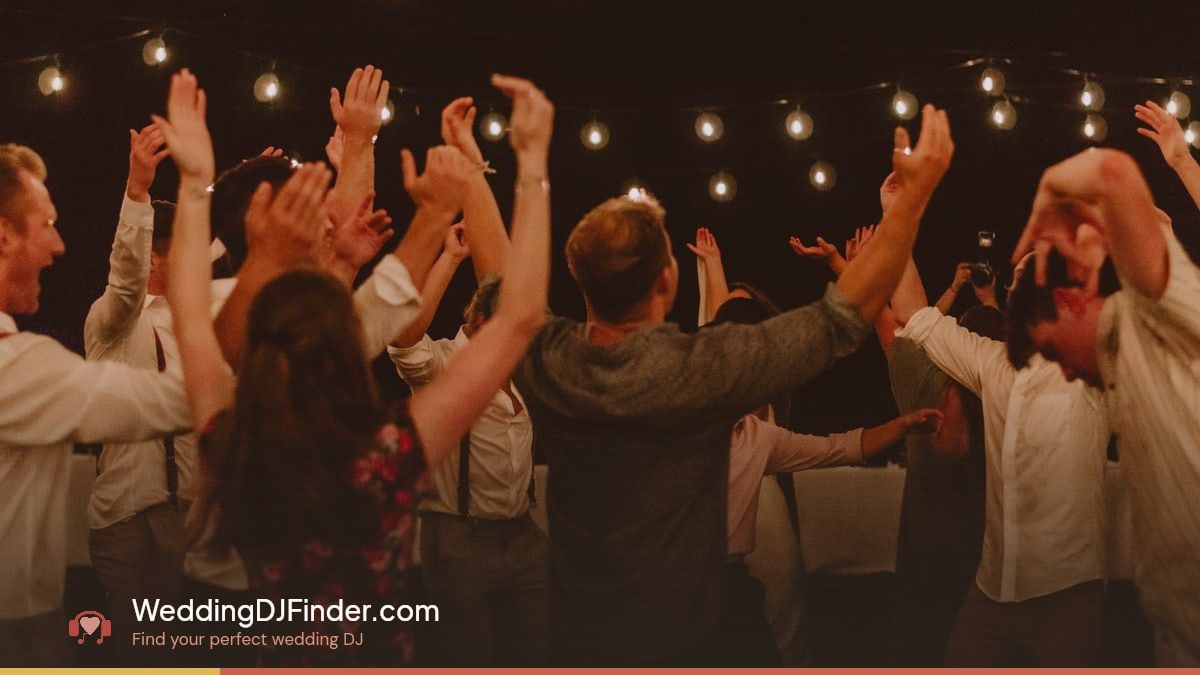
Planning a wedding in 2026 means navigating a lot of moving parts — and your entertainment budget is one of the most impactful decisions you'll make. A great DJ can transform a polite dinner into a genuinely unforgettable party. A bad one can clear the dance floor by 9 PM. And yet, when couples first start researching DJ costs, they often encounter wildly inconsistent pricing with little explanation of what drives the difference.
This guide breaks it all down honestly — from regional pricing differences to hidden fees that catch couples off guard, to a realistic framework for planning your entertainment budget. Whether you're working with $500 or $5,000, you'll finish reading this knowing exactly what to expect and how to spend your money wisely.
National Average DJ Costs in 2026
The national average cost for a wedding DJ in 2026 sits between $1,200 and $2,500 for a standard 4–6 hour reception. However, the full range extends from about $800 on the very low end (think newer DJs or extremely limited packages) all the way to $5,000+ for premium entertainers with full production setups, MCs, and custom lighting rigs.
The most commonly quoted range you'll see — $800 to $3,000 — reflects real-world booking data across most U.S. markets. Within that range, you have genuine options at every tier. Below $800, you're either getting a brand-new DJ with minimal experience, a partial package (ceremony only, for example), or someone running a side hustle with consumer-grade equipment.
What Drives DJ Pricing?
- Experience level: A DJ with 10+ years and 300 weddings under their belt commands more than someone on their 20th gig — and usually for good reason.
- Geographic market: A DJ in Manhattan or San Francisco operates with higher overhead and demand than one in rural Ohio.
- Duration of the event: Most base quotes cover 4–5 hours. Every additional hour typically costs $100–$250 extra.
- Equipment quality: Professional-grade sound systems (QSC, JBL, Bose), intelligent lighting rigs, and backup equipment cost real money to own and maintain.
- Package inclusions: Some DJs quote reception-only; others bundle ceremony, cocktail hour, lighting, and MC services into one price.
- Day of the week and season: Saturday evenings in peak wedding season (May–October) command premium prices. Friday nights, Sundays, and January bookings are often discounted.
Credit: Western Sydney Wedding Photo and Video via Pexels
DJ Costs by Region
Where you get married matters enormously when it comes to DJ pricing. Here's what couples are typically paying across the four major U.S. regions in 2026:
Northeast (New York, Massachusetts, New Jersey, Connecticut)
The Northeast consistently has the highest DJ costs in the country. In New York City and surrounding metro areas, expect to pay $2,000–$4,500 for a quality wedding DJ. Boston, Philadelphia, and Hartford run slightly lower at $1,500–$3,500. High demand, high cost of living, and the sheer concentration of weddings in peak season drive these prices. Don't be surprised if popular DJs in this region are booked 18+ months out.
West Coast (California, Washington, Oregon)
Los Angeles and the San Francisco Bay Area mirror the Northeast in cost, with most reputable DJs charging $2,000–$4,000+. Seattle and Portland run slightly more accessible at $1,500–$3,000. Southern California's wedding market is particularly saturated with entertainment options, which gives couples slightly more negotiating leverage — but not much at the premium tier.
South (Texas, Florida, Georgia, Tennessee, North Carolina)
The South offers some of the best value for couples. In cities like Austin, Nashville, Charlotte, and Orlando, quality DJs typically charge $1,200–$2,500. Atlanta and Miami trend slightly higher at $1,500–$3,000. The competitive vendor market in popular wedding destinations like Nashville and Savannah keeps prices reasonable while still offering excellent talent.
Midwest (Illinois, Ohio, Michigan, Minnesota)
The Midwest offers the most accessible price points of any major region. Chicago is the outlier at $1,500–$3,000, but most Midwestern markets — Columbus, Indianapolis, Kansas City, Minneapolis — see quality wedding DJs charging $1,000–$2,000. Don't mistake lower prices for lower quality; the Midwest has a deep pool of experienced wedding entertainment professionals.
Pro Tip: Regional averages can be misleading if you're marrying in a popular rural destination. A vineyard wedding in Napa or a mountain venue in Asheville may attract DJ pricing 20–30% higher than the surrounding market average, simply due to travel requirements and venue exclusivity.
What's Included at Different Price Points
Budget Tier: $800–$1,200
At this price point, you're typically getting a DJ-only package with basic equipment — a solid sound system, a laptop-based setup, and someone to play your playlist and make announcements. What you usually won't get: professional-grade lighting, a dedicated MC, a planning consultation process, or a backup equipment guarantee. New DJs and part-timers tend to operate in this range. The risk is real, but so are the savings.
Mid-Range Tier: $1,500–$2,500
This is the sweet spot for most couples. A mid-range DJ package typically includes 5–6 hours of coverage, a professional sound system, basic LED uplighting (4–8 fixtures), DJ/MC services, a pre-wedding planning call or consultation, and a customized music plan built around your preferences. Most DJs in this tier are full-time professionals with multiple years of wedding-specific experience.
Premium Tier: $2,500–$5,000+
Premium packages are full entertainment productions. You're paying for a comprehensive experience that may include: full uplighting packages (16–20+ fixtures), intelligent moving head lights, a photo booth, fog or haze machines, monogram lighting, a separate ceremony sound system, cocktail hour music, premium audio equipment from professional brands, and a highly experienced entertainer with a proven track record and polished MC skills. Some high-end DJs in major markets also include a second DJ or assistant for larger events.

Credit: spemone via Pexels
Add-On Costs: What to Expect
Many DJ quotes are for reception music only. Once you start adding services, the total can climb quickly. Here's what popular add-ons typically cost in 2026:
- Uplighting: $150–$600 depending on the number of fixtures. Basic packages include 6–8 LED fixtures that wash your walls in your wedding color. Full-venue uplighting with 16–20 fixtures runs $400–$700.
- Photo Booth: $600–$1,200 for a 3–4 hour rental with prints and/or digital sharing. Open-air booths are on the lower end; mirror booths and enclosed booths with props command higher prices.
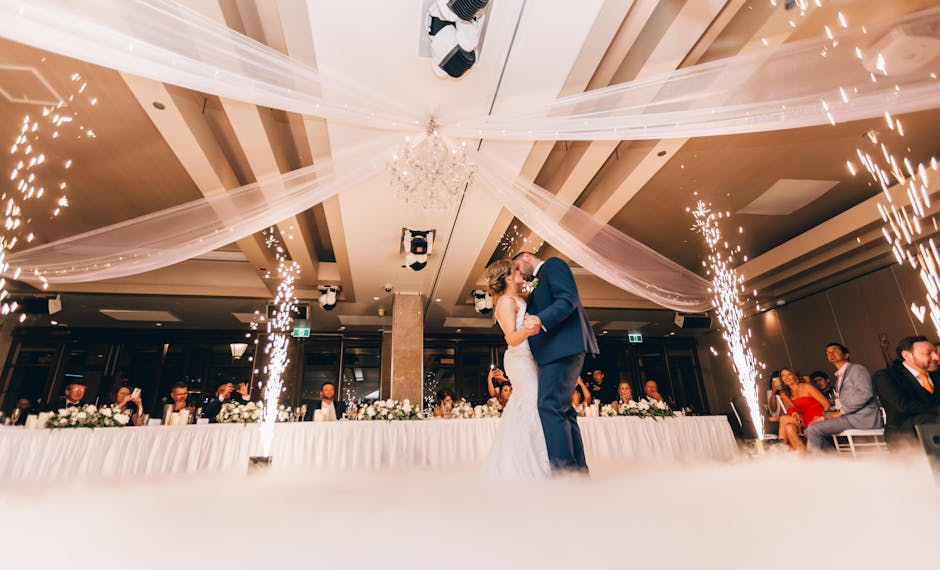
- Fog or Haze Machine: $100–$300 as a standalone add-on. Used for the first dance "fog on the floor" effect or for adding atmosphere to the dance floor.
- Ceremony Music Package: $200–$600 added to a reception package. Includes a separate speaker setup for the ceremony location, wireless lapel mic for the officiant, and music for the processional, recessional, and guest seating.
- Cocktail Hour Coverage: $150–$400 when booked as an add-on. Some DJs include this in packages; others treat it as a separate line item since it may require a second speaker setup in a different area of the venue.
- Monogram/Gobo Lighting: $150–$300 to project a custom design (your initials, a floral pattern) onto the dance floor or wall.
- Cold Spark Machines: $300–$600 per pair, increasingly popular for grand entrance and first dance moments. Check your venue's policy first — many require advance approval.
Bundling Tip: If you know you want uplighting and a photo booth, ask DJs upfront for a bundled package price. Many entertainment companies offer 10–20% discounts when you book multiple services together versus pricing them à la carte.
DIY Playlist vs. Budget DJ vs. Mid-Range vs. Premium: An Honest Comparison
DIY Playlist ($0–$200)
Pros: Complete creative control, zero cost (beyond equipment rental if needed), perfect if you have a specific non-traditional vision. Works reasonably well for intimate weddings under 40 guests with a naturally social crowd.
Cons: You need someone dedicated to managing it all night — someone who can't also be a guest. Transitions between songs won't be mixed. Reading the crowd in real time and adjusting is nearly impossible with a static playlist. Technical problems have no backup. If dinner runs long or the timeline shifts, your playlist doesn't know. For most couples, this route creates unnecessary stress on one of the most important days of their lives.
Budget DJ ($800–$1,200)
Pros: A live human who can read the room, make announcements, and adapt on the fly. More professional than a playlist. Viable for small weddings or couples with genuinely tight budgets.
Cons: Higher risk of inexperience showing — awkward silences, poor mic technique, equipment issues without backups, limited music library depth, and less polished MC skills. Vet these candidates extremely carefully. Ask for references and recent wedding reviews specifically. Booking someone based purely on price in this tier is where horror stories originate.
Mid-Range DJ ($1,500–$2,500)
Pros: The best value tier for most couples. You get professionalism, experience, planning support, quality equipment, and genuine entertainment value. Most couples in this range report being genuinely happy with their entertainment. Find a wedding DJ near you in this range and you'll likely have solid options across every market.
Cons: You may need to add on services like uplighting or ceremony coverage, which can push the total toward the premium tier anyway. Research matters here — quality varies within this range.
Premium DJ ($2,500–$5,000+)
Pros: Comprehensive, polished, and stress-free. Everything is thought of in advance. These entertainers typically have a process — pre-event planning, timeline coordination with your planner, seamless technical execution. The production value is noticeably higher.
Cons: The premium you pay isn't always proportional to the quality improvement over a great mid-range DJ. For some couples, especially those planning smaller or more intimate weddings, the premium tier is more than they need. It's most worth the investment for large receptions (150+ guests) where entertainment truly anchors the entire experience.
How to Get the Most Value for Your DJ Budget
Book an Off-Peak Date
Saturday evenings from May through October are the most expensive booking windows. If you have flexibility, a Friday evening or Sunday afternoon wedding can save you $300–$800 on entertainment alone — and similar discounts apply across other vendors. January, February, and early March are the slowest months for wedding DJs, and many offer meaningful discounts to fill their calendars.
Go Weekday When Possible
Monday through Thursday weddings can see DJ discounts of 20–30% off peak Saturday pricing. If your guest list consists largely of local friends and family who can take a day off work, a Thursday evening wedding is increasingly popular and noticeably more budget-friendly.
Bundle Your Entertainment Services
Rather than hiring a separate photo booth company, a separate lighting vendor, and a DJ, look for full-service entertainment companies that offer everything under one contract. Bundling typically saves 15–25% versus booking each service independently, and it simplifies day-of coordination significantly.
Be Honest About Your Guest Count
If you have 75 guests, you don't need the same production level as a 250-person reception. Match your entertainment investment to your actual event size. A great DJ with a quality but scaled sound system is entirely appropriate for smaller weddings — and costs significantly less.
Ask About What's Already Included
Before adding anything à la carte, ask each DJ to itemize exactly what their base quote covers. Some DJs include uplighting and MC services in their standard package; others treat them as extras. Comparing quotes fairly requires understanding what each price actually includes. See our guide on questions to ask before booking a wedding DJ for a complete checklist.
Hidden Costs to Watch For
DJ quotes can look clean until you sign the contract and read the fine print. Here are the most common hidden costs that catch couples off guard:
- Overtime fees: Most DJ contracts include a per-hour overtime rate that kicks in if the reception runs long. These fees typically range from $150–$300 per additional hour and are billed at the event — not a great surprise at the end of your wedding night. If you think your reception might run long, negotiate a lower overtime rate upfront or pre-purchase an additional hour.
- Travel charges: Many DJs include travel within a certain radius (usually 30–50 miles) in their base price. Beyond that, expect $0.67–$1.00 per mile or a flat travel fee, plus potential hotel charges for venues more than 2 hours away. Destination weddings should budget $200–$600+ in travel costs on top of the DJ fee.
- Setup and breakdown fees: Some DJs charge a separate setup fee of $100–$300 if the venue requires early load-in or complex rigging. Always ask whether setup time is included in the quoted hours or billed separately.
- Gratuity: Not always expected, but tipping a DJ $100–$200 for exceptional service is considered standard courtesy in the wedding industry. Budget for it rather than being caught off guard.
- Vendor meal requirements: Many DJ contracts include a clause requiring a vendor meal. This is reasonable and standard — your DJ will be working 8+ hours by the time setup, event, and breakdown are complete. Most venues can accommodate this at little or no extra cost, but verify with both parties.
- Permit or venue technology fees: Some venues charge DJs a "vendor fee" or require proof of liability insurance. Reputable DJs carry their own insurance, but confirm this — and make sure it's not a cost that gets passed to you unexpectedly.
A Realistic Budget Planning Framework
Here's how to think about your entertainment budget practically, based on your total wedding spend:
Total Wedding Budget Under $15,000
Allocate $800–$1,200 for a DJ. This likely means a newer or part-time professional. Vet carefully, check reviews, and consider whether a DIY approach might actually serve you better for an intimate gathering. Skip most add-ons and focus your budget on sound quality.
Total Wedding Budget $15,000–$30,000
A $1,500–$2,000 DJ budget is realistic and gets you into solid mid-range territory. You can likely include basic uplighting and MC services within this range. Prioritize experience and reviews over flashy add-ons.
Total Wedding Budget $30,000–$60,000
Budget $2,000–$3,000 for entertainment. You can access quality mid-range to entry-level premium DJs, include ceremony coverage, uplighting, and potentially a photo booth. This budget works well for most reception sizes up to 150 guests.
Total Wedding Budget $60,000+
Entertainment budgets of $3,000–$5,000+ are appropriate and allow for full-production premium packages. At this level, you're getting the best available entertainment in your market with comprehensive production. If you love to dance and want an extraordinary party, this is worth the investment.
"Wedding guests rarely remember exactly what the centerpieces looked like. They almost always remember whether they danced. Entertainment is one of the highest-ROI investments in your wedding budget." — A sentiment echoed by wedding planners across every market.
As a general rule of thumb, wedding industry professionals suggest allocating 8–12% of your total wedding budget to entertainment. If your DJ quote is consuming 15% or more, it may be worth adjusting either the quote or the overall budget. If you're trying to spend less than 5% on entertainment, be realistic about the trade-offs involved.
If you're planning a wedding with specific music needs — whether you want a DJ who specializes in hip-hop and R&B, someone fluent in Latin music for a multicultural celebration, or a specialist in country music for a rustic barn wedding — factor in that niche expertise when budgeting. Specialists sometimes command a premium, but the fit is worth it when music genre is central to your vision.
Conclusion: Book Smart, Not Cheap
Your wedding DJ will be the most present vendor at your reception — more visible than your florist, more audible than your venue's architecture, more influential on the energy of the night than almost any other single decision you make. Cutting corners on entertainment to save a few hundred dollars is rarely worth it. But overspending on production you don't need isn't smart either.
The best approach is simple: define what kind of experience you want, set a realistic budget for that experience, and then find the best available professional within that budget. Read contracts carefully, understand what's included, ask about overtime and travel policies, and book someone whose personality and communication style you actually enjoy — because you'll be working with them for months before the event.
Ready to start comparing real DJs in your area? Browse wedding DJs on WeddingDJFinder.com — filter by location, budget, and specialty to find entertainers who are the right fit for your wedding. Every DJ profile includes pricing information, reviews, and music samples so you can make a confident, informed decision.
Wedding DJ planning notes
Get practical tips for music, timelines, and questions to ask before you book. If your address is new to us, we will send a confirmation email first.
Read the 2026 Wedding DJ Industry Report for current pricing benchmarks, demand trends, and booking insights.